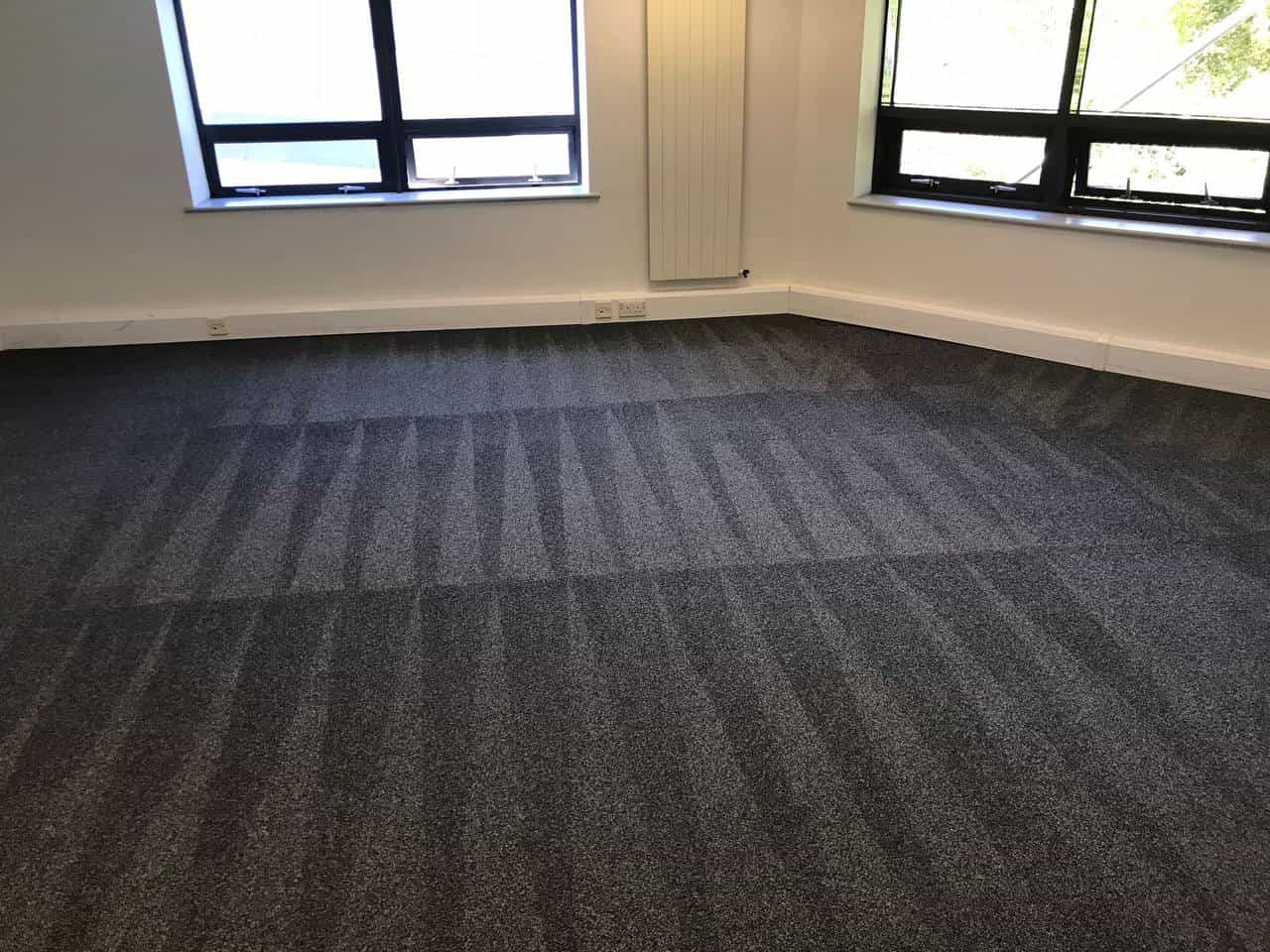
Sofas, armchairs and other upholstered furniture are used almost every day, yet the gradual build-up of dirt within their fabrics can be surprisingly easy to overlook. Unlike a sudden spill or obvious stain, everyday soiling develops slowly. Dust, crumbs, body oils, pet hair and other particles accumulate little by little, meaning upholstery may become noticeably dull or less fresh before homeowners realise how much contamination is present.
For households in Wye, Kent, professional upholstery cleaning can provide a deeper level of care than routine surface cleaning alone, helping to remove accumulated soiling and maintain the appearance and condition of frequently used furniture.
Everyday Upholstery Collects More Than Visible Dirt
Upholstery fibres naturally trap particles from the surrounding environment and from regular contact with people and pets.
Over time, furniture can collect:
- Household dust
- Crumbs and food particles
- Pet hair and dander
- Fine outdoor dirt
- Body oils
- Skin particles
- Residue from everyday use
Some of this material remains close to the surface, while finer particles can settle further into the fabric and around seams, creases and cushions.
Fabrics Can Gradually Look Dull
One of the first consequences of accumulated dirt is a gradual change in appearance.
Because the process happens slowly, it may not be obvious from one day to the next. Areas receiving the most contact can begin to look darker or less vibrant than sections that are rarely touched.
Commonly affected areas include:
- Armrests
- Seat cushions
- Headrests
- Front edges
- Frequently used sections of larger sofas
Professional cleaning can remove accumulated soil that routine vacuuming may leave behind, helping restore a cleaner and more consistent appearance.
Dirt Can Become Embedded Within the Fibres
Vacuuming upholstered furniture is valuable for removing loose surface debris, but it does not necessarily extract all contamination from within the fabric.
Repeated sitting and movement can work fine particles further into the upholstery. Once embedded, these particles can become considerably harder to remove through normal household cleaning.
Periodic deep cleaning targets this more established contamination rather than concentrating only on what is immediately visible.
Body Oils Can Attract Further Soiling
Furniture comes into regular contact with hands, hair and skin. Natural oils can transfer onto the fabric, particularly around armrests and headrests.
These residues can attract additional dust and dirt, causing heavily used areas to become noticeably darker than the surrounding upholstery.
Because oily contamination does not respond in the same way as loose dust, specialist cleaning methods may be required to treat it effectively.
Upholstery Can Lose Its Freshness
Not every sign of dirty upholstery is visual.
Fabric furniture can absorb everyday household odours over time. Cooking, pets and regular use can all contribute to upholstery becoming less fresh.
Simply masking these odours does not remove the underlying contamination. Professional cleaning targets the accumulated material within the fabric, helping the furniture feel genuinely cleaner rather than simply fragranced.
Fine Dirt Can Contribute to Fabric Wear
Embedded particles do more than affect appearance.
As people sit down and move across upholstered furniture, fine abrasive debris can rub against the fibres. Over an extended period, this may contribute to the general wear experienced by frequently used areas.
Keeping upholstery clean therefore forms part of sensible furniture maintenance, particularly for sofas and chairs that receive daily use.
Stains Can Become Harder to Distinguish
When general soiling builds up across a piece of furniture, individual marks may become less obvious.
This can make it difficult to determine whether a dark area is:
- A specific stain
- Accumulated body oils
- General dirt
- Wear to the fabric itself
Professional assessment can help identify the nature of the affected area and determine an appropriate cleaning approach.
DIY Cleaning Can Sometimes Leave Residue
When upholstery starts looking dirty, homeowners may try household cleaning products before arranging professional treatment.
The difficulty is that upholstery fabrics vary considerably. Using excessive detergent or failing to extract cleaning residue properly can leave the material feeling sticky or attract further dirt.
Too much moisture can also create unnecessarily long drying times.
Professional cleaners assess the fabric and use controlled cleaning methods suited to the particular upholstery being treated.
Regular Vacuuming Still Has an Important Role
Professional cleaning does not replace good routine maintenance.
Vacuuming upholstered furniture regularly can help prevent loose debris from becoming deeply embedded. Particular attention should be given to:
- Cushion gaps
- Seams
- Creases
- Areas beneath removable cushions
- Frequently used seating positions
Dealing with fresh spills promptly can also reduce the likelihood of permanent marks developing.
The best results generally come from combining sensible everyday care with professional deep cleaning when required.
Why Professional Upholstery Cleaning Makes a Difference
Professional upholstery cleaning goes beyond simply improving the visible surface.
Depending on the fabric and its condition, specialist cleaning can help:
- Remove embedded dirt
- Lift accumulated soiling
- Treat appropriate stains
- Improve overall freshness
- Restore a more uniform appearance
- Maintain frequently used furniture
The correct process should always be selected according to the upholstery rather than applying the same cleaning method to every fabric.
Assessment Is an Important Part of the Process
Different upholstery materials respond differently to moisture, cleaning solutions and treatment techniques.
Before cleaning, an experienced professional can consider factors such as:
- Fabric type
- Colour stability
- Level of soiling
- Existing stains
- Areas of heavy use
- Previous cleaning attempts
This allows the cleaning process to be tailored to the furniture and helps avoid unnecessary treatment.
Why Choose K&S Carpet Cleaning Wye?
At K&S Carpet Cleaning Wye, we provide professional carpet and upholstery cleaning services throughout Wye, Kent. We carefully assess upholstered furniture before selecting an appropriate cleaning method, allowing us to target accumulated dirt while treating the fabric with the care it requires.
Our professional equipment and thorough approach can reach beyond routine surface cleaning, helping homeowners refresh frequently used sofas, chairs and other upholstered furnishings.
Conclusion
Everyday dirt can gradually change the appearance, freshness and condition of upholstered furniture. Dust, body oils, crumbs and fine debris may initially go unnoticed, but repeated use can push contamination further into the fabric and make heavily used areas increasingly difficult to keep clean with vacuuming alone.
Regular household maintenance can slow this build-up, while periodic professional cleaning provides the deeper treatment needed when dirt has become established.
For homeowners in Wye, Kent, whose sofas or upholstered furniture are beginning to look dull, marked or less fresh, K&S Carpet Cleaning Wye can provide professional upholstery cleaning tailored to the fabric and its condition, helping restore a cleaner and more inviting finish.
Call us on: 01233 542 595
Click here to find out more about K&S Carpet Cleaning Wye
Click here to complete our contact form and see how we can help with your carpet needs.